

You’ve spent months analysing markets, viewing units, and negotiating terms. Now, you’ve finally found the right commercial property for your business operations or your investment portfolio. The finish line is in sight, but there is one major hurdle left to clear: securing the finance.
Unlike a residential mortgage, where automation rules and algorithms spit out a decision based on a basic credit score, financing a commercial property is a different beast entirely. Every single deal is manually underwritten. Lenders aren’t looking at a template; they are evaluating a unique business case.
If your paperwork is messy or you don’t understand what the underwriter is looking for, the application process can quickly drag out for months or worse, resulting in a flat rejection that causes you to lose the commercial property to another buyer.
To get your application approved fast and secure the asset, you need to look at your deal through the lender’s eyes. Here is the exact criteria UK commercial lenders use to judge your application, and how to prepare for them.

What Lenders Assess: The Commercial Property Itself
In commercial finance, the asset isn’t just a backdrop; it is the primary security for the loan. If your business runs into hard times, the lender needs to know they can sell the building to recover their money. Because of this, underwriters scrutinise the bricks and mortar just as much as they do your bank accounts.
Lenders will assess three main elements of the commercial property:
Commercial Property Location and Marketability
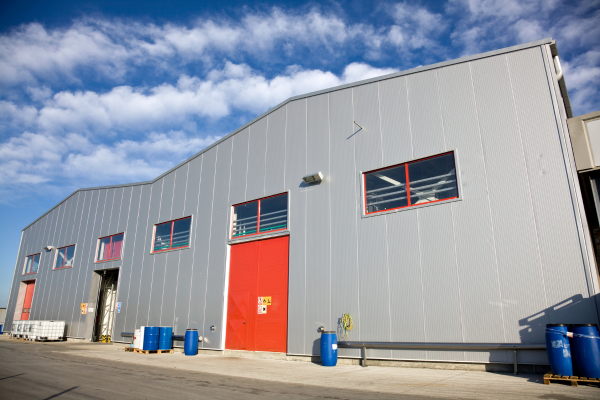
A high-street retail unit in a thriving regional hub or a modern logistics warehouse near an M1 junction represents a low risk. A dilapidated workshop in an area with declining economic growth is a much harder sell. Lenders want a commercial property that is easy to re-let or resell if things go wrong.
Commercial Property Sector and Specialism
Standard spaces (offices, light industrial units, standard retail) are straightforward to fund. Specialist variants such as pubs, hotels, petrol stations, or care homes require niche lenders. Because these buildings are tied directly to the trading success of a specific business type, standard high-street banks often view them as higher risk.
Planning and Environmental Factors
- Are there restrictive covenants on the title?
- Does the building have the correct planning use class (e.g., Class E vs. Sui Generis) for your intended operations?
Underwriters will also check for environmental liabilities, such as flood risks or past industrial contamination, which could impact the future value of the commercial property.
The Broker Advantage: If you are buying a specialist asset or a building that needs significant refurbishment, entering a high-street bank cold often leads to rejection. A specialist broker knows exactly which boutique lenders have an appetite for your specific style of commercial property, saving you weeks of wasted effort.
Financial Metrics: Commercial Property Affordability and Deposits
Once the lender is satisfied with the physical asset, they will turn their attention to the financial data. They need concrete proof that your business or your tenants can comfortably service the monthly debt.
Deposit Requirements for Commercial Property
Do not expect a 5% or 10% deposit option here. In the UK market, standard Loan-to-Value (LTV) ratios typically cap out between 60% and 75%. This means you will need to put down a cash deposit of 25% to 40% of the commercial property purchase price. The exact figure depends heavily on the strength of your business and the risk profile of the sector.
Debt Service Coverage Ratio (DSCR)
Lenders don’t just look at whether you can afford the mortgage payments today; they build in a buffer for fluctuating interest rates. They calculate this using the Debt Service Coverage Ratio (DSCR).
To find this, they take your Net Operating Income (NOI) and divide it by your annual debt obligations. Most commercial lenders look for a DSCR of 1.25 or higher.
For example, if your annual mortgage payments total £40,000, the commercial property or trading business needs to generate at least £50,000 in clean, provable profit to clear the underwriting hurdle. That extra £10,000 acts as the cushion the lender requires to cover unexpected overheads or rate rises.
Business Trading History
If you are an owner-occupier buying a premises for your own business, lenders will typically want to see 2 to 3 years of audited, profitable trading accounts. They are looking for stability, consistent turnover, and a healthy balance sheet. While it is possible to secure funding for new start-ups or businesses with recent dips in profitability, these deals require specialist structuring and alternative lenders.

Secure Your Commercial Property with Expert Funding Guidance
Navigating the commercial mortgage market alone can be a minefield of strict criteria, complex calculations, and unexpected delays. When you have found the right commercial property, you cannot afford to risk a rejection that puts the deal in jeopardy.
At Commercial Finance Expert, we cut through the red tape. We work directly with high-street banks and specialist boutique lenders to structure your application perfectly, ensuring you meet their strict affordability and asset criteria from day one.
Ready to take the next step? Fill out our quick contact form to speak with a commercial finance specialist today, and let’s get your application over the finish line.